







Daniel G. Very, DMD, MDS

Follow Us

Your New Smile

Scan the QR code above for a preview of your new smile

Our Blog

Treatment Options for TMD

October 20th, 2021

Temporomandibular dysfunction (TMD) refers to a diverse range of disorders that relate to muscular function in the jaw and face — the temporomandibular joint (TMJ). That could mean difficulty opening your mouth, pain in the jaw or face, or any sort of problem with the jaw joint.

TMD can be difficult to diagnose because of the varied causes. Whatever the case, an accurate diagnosis from Dr. Daniel Very helps make treatment as successful as possible.

Most often, jaw problems will resolve themselves within several weeks or months. Surgeries like arthrocentesis, arthroscopy, and open-joint surgery should be a last resort. More conservative and reversible treatments should come first and are in fact the most critical step in the treatment of TMD.

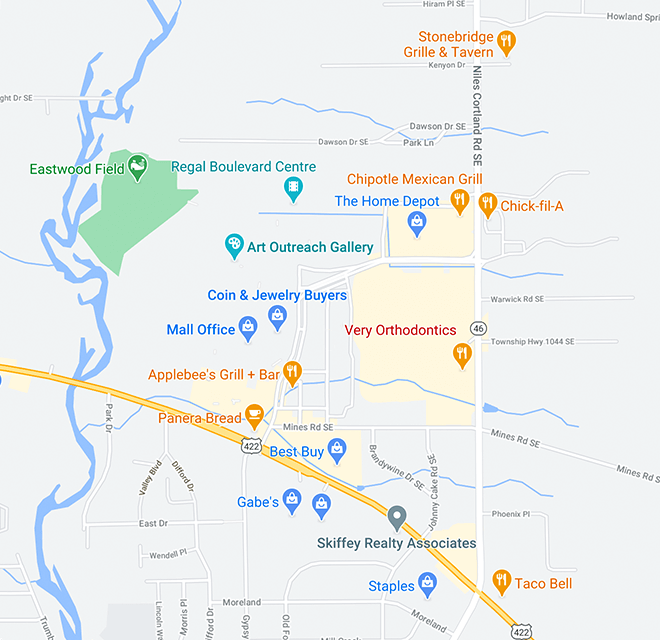
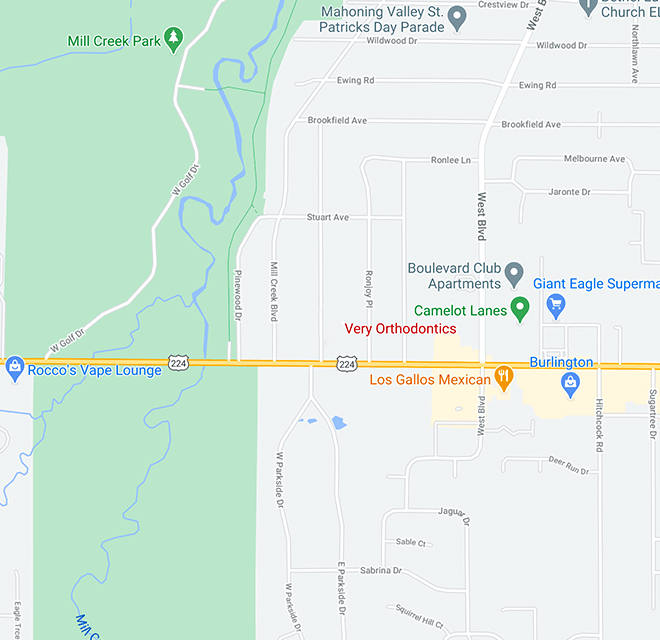
Less invasive treatments like acupuncture and splints can be helpful, but that will depend on your particular case. It’s worth your while to speak with Dr. Daniel Very at our Boardman or Niles office to learn about solutions that could work for you.

A combination of treatments will most often produce the greatest relief for TMJ patients. It’s a good idea to avoid activities that overuse the jaws, such as chewing gum or clenching your jaws.

You can be proactive in finding relief for TMD by trying the following remedies at home:

  • Eat soft food: When you eat soft and/or blended food, your jaw gets an opportunity to rest. Avoid chewy and crunchy food, and food that requires you to open your mouth wide, like apples or corn on the cob.
  • Apply moist heat: A hot water bottle wrapped in a moist towel can help reduce symptoms.
  • Apply ice: Applying an ice pack wrapped in a cloth or towel for no longer than 15 minutes may also reduce pain and promote healing.
  • Do jaw exercises: A physical therapist can help identify the exercises that will work for you. Jaw exercises have been shown to be an effective treatment method that can be performed at home.
  • Relaxation: Actively try to relax the muscles of the face and lips, and let your teeth come apart. Many find meditation, yoga, and slow, deep breathing to be helpful for reducing stress and tension.
  • Avoid wide yawns: Keep your fist under your jaw when you feel a yawn coming on, to keep your jaw from opening too widely.

Periodontics and Braces Treatment

October 13th, 2021

Most people think braces are all about their teeth. While it is true orthodontics is meant to move your teeth into proper position, there's more to it than that. To safely move your teeth with braces, you're going to need healthy and stable gums (or periodontium—the tissues that support your teeth).

For this reason it's critical to have your periodontal health evaluated prior to getting braces. This applies particularly to adults, since a 2013 study by the Center For Disease Control found that an estimated 47.2% of adults 30 years of age and older had periodontitis (gum disease). If you do have periodontitis, moving your teeth with braces will only make things worse.

Conversely, there is also risk for periodontal disease if you don't get orthodontic treatment. Malocclusion, as well as crooked and spaced teeth, can all contribute to periodontal disease. In these situations your teeth and gums are more difficult to clean and become breeding grounds for disease causing bacteria. Bad oral hygiene combined with these traits can greatly contribute to the development of periodontitis.

So, periodontics and braces have a tricky relationship. On one hand, you shouldn't get braces if you show signs of developing or have periodontitis, while on the other hand, braces can help prevent the possibility of developing periodontitis by correcting the bite and straightening the teeth.

If you are 30 years of age or older and are considering getting braces, it would be wise to first:

  • Let Dr. Daniel Very know about your desire to get braces
  • Get an exam to make sure you're in good periodontal health and a good candidate for braces
  • If you are a good candidate, keep an eye on your teeth and gums and get regular dental checkups throughout your entire course of treatment.

If you are in any doubt about the status of your teeth and gums, it's always best to get them checked before embarking with braces treatment. For more information or to have your periodontal health assessed for braces treatment, please contact our Boardman or Niles office.

October is National Orthodontic Health Month

October 6th, 2021

What does the month of October mean to you? For people in the northern hemisphere, October is when the weather starts to get a little chilly: heavy jackets might come out of storage and the summer clothing gets packed away. You might start making plans for the upcoming holidays or looking at the beautiful and changing autumn scenery. October means something a little different to our team at Very Orthodontics because this is National Orthodontic Health Month. During October, orthodontic clinics all over the country work together to promote their services and inform the community about the important work we do.

National Orthodontic Health Month is an awareness campaign created cooperatively by orthodontists and other dental health professionals. During this month, we make a special effort to promote dental health and orthodontic health in particular. This is a great time to get your questions answered by dental professionals in your community and to learn more about exactly what an orthodontist can do for you and your family. Events held in connection with National Orthodontic Health Month are also an opportunity for us orthodontists to come out and meet community members. If you have never been to an orthodontist before, you might not know what to expect. Meeting one of us in person before your checkup is a great way to find out what kind of person you’ll be seeing during your appointment.

Meeting Dr. Daniel Very in a relaxed “meet and greet” atmosphere can be especially helpful for any young orthodontic patients in your family. Kids of all ages–and their parents!–can feel anxiety about going to the dentist. Getting to know the person you have an appointment with can make the experience a lot less stressful for everyone. We don't want anyone to avoid seeing a dental professional for regular checkups just because they don't know who we are. Just meeting and talking with the orthodontist you'll be seeing may be enough to make you feel more comfortable about your upcoming appointment.

Dental health is something that affects everyone; healthy teeth and gums contribute to a healthy smile and a lifetime of comfort and well-being. Orthodontists are just one of the various dental practitioners you could visit at some point in your life, so taking a little time to learn who we are and what we do is certain to be a helpful experience. We look forward to seeing you and your family this October at our Boardman or Niles location!

Five Ways You Won’t—And One Way You Will—Get Your Braces Off Faster

September 29th, 2021

It’s only natural when you’re waiting for something good—you count down the weeks until your birthday, or until the summer holidays, or until your braces come off. But while your birthday and your vacation won’t come any faster no matter what you do, you can help determine just how fast that happy day arrives when you’re done with your orthodontic treatment.

When you first got your appliance, Dr. Daniel Very gave you an estimate of how long your treatment would take. Of course, that estimate is based on everything going according to plan. What are some detours that can delay your progress?

  • Missing Appointments

With every adjustment at our Boardman or Niles office, you are moving closer to the ideal positioning for your teeth. If you miss or postpone appointments, it can take just that much longer to complete your orthodontic work.

  • Eating the Wrong Foods

You have a list of foods that are on the do-not-eat list. Hard, chewy, sticky bites are famous braces-breakers, but don’t forget that size also matters! Biting into a juicy apple or a buttery ear of corn can damage your brackets and wires just as much as chewy candy can. Be sure everything you eat is size-appropriate and braces-friendly. Obviously, damaged braces can’t straighten teeth as effectively as intact appliances!

  • Sticking with Bad Habits

Pressure from nail biting, chewing pencils, or crunching on ice can cause chips and cracks in your teeth, so just think what they can do to your appliance. Ask us for tips for quitting if you’ve picked up any of these habits. We know habits can be hard to break, but they are harder on your teeth and braces. If you bend or break a wire or loosen a bracket, you might be delaying your orthodontic progress. Which leads us to . . .

  • Ignoring Appliance Accidents

Accidents happen. Brackets or metal bands can become loose; wires can bend or break; spacers can fall out. If you notice a problem, call our office right away. Sometimes a minor problem can wait, but if your appliance is damaged, your teeth aren’t moving into position on schedule.

  • Blowing Off Bands

If you have bands to help correct your bite, be sure that you wear them as directed. If you skip hours or days of band-wear, you are adding to the time it will take to correct the bite problems they are meant to fix. And don’t double band to speed things up—that might put too much pressure on your teeth. Just follow our recommendations, and you will be done with those bands—and those braces—as soon as possible.

But, wait! We promised you one sure way to keep your orthodontic progress on track:

  • Follow Your Treatment Plan

If you keep your appointments, take care of your braces, call us promptly if they are damaged, and wear your appliance as directed, you will be doing your part to keep your treatment on track. And that happy day when your braces come off? It will arrive right on schedule!