







Daniel G. Very, DMD, MDS

Follow Us

Your New Smile

Scan the QR code above for a preview of your new smile

Our Blog

Help! My gums hurt when I floss!

April 13th, 2022

By no stretch is it rare for your gums to hurt during and after flossing. Even some bleeding is to be expected. This is especially true if you have not flossed in a long time. However, if your gums do indeed hurt when you floss, and unbearably so, there are some things you can do.

Be Gentle

Perhaps the most obvious way to combat gum soreness and bleeding is to be gentle. One of the most common occurrences of these gum problems is over-aggressive flossing. In other words, if you are too rough on your gums while flossing, either because you are out of practice or because you are in a hurry, soreness and hurting is to be expected. Instead, try taking your time and be gentle. Also, if you are just starting out, be patient and consistent, your gums will become more conditioned over time.

Use an Alternative Method

If being consistent and gentle does not work, there are other alternative methods of flossing that you can try. You can also try a water floss machine, or what is sometimes called a water pick. The device essentially shoots water into the crevasses between your teeth, and in other areas of your mouth, in order to dislodge food and plaque. These oral instruments also come with different attachments that allow you to reach many of the hard to see and reach areas of your mouth. And lastly, you can always buy floss that is not as abrasive to your gums. There is floss that comes with soft and gentle coatings that will do less harm to your gums while they are adjusting to the good oral hygiene habit you are creating.

Flossing is one of the easiest parts of oral hygiene to overlook. When you first start out, it is common that you may want to stop because of the pain it can initially cause. However, if you try one, or all, of the above mentioned methods, you will give yourself the best chance of being success with your flossing, and it won't hurt as much.

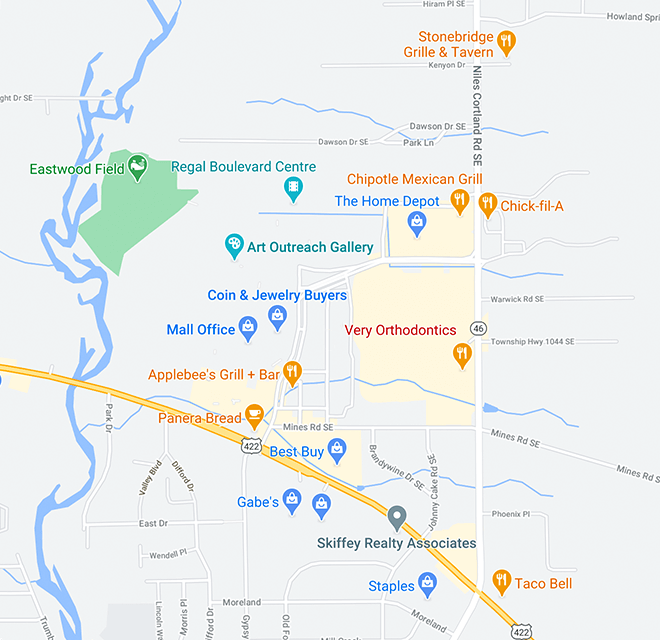
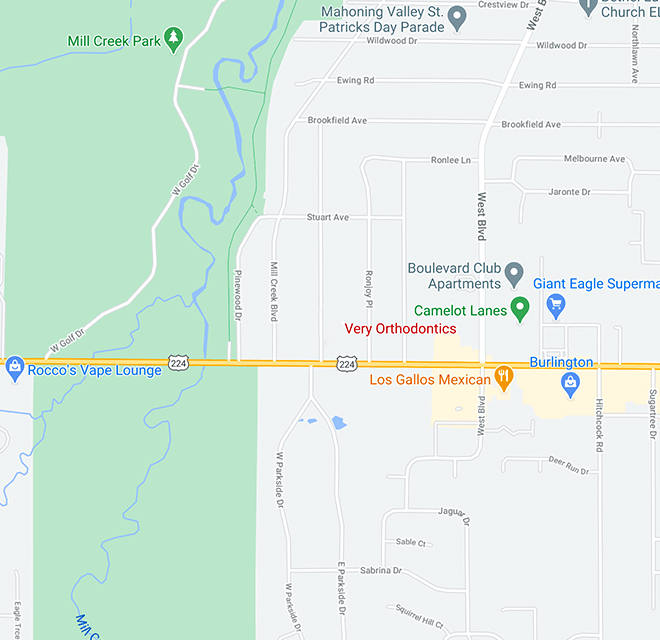
For more flossing tips, schedule an appointment at our Boardman or Niles office and askDr. Daniel Very or a member of our team!

Play it Safe this Spring

April 6th, 2022

It's springtime and it's again time to remind our patients at Very Orthodontics to protect their faces and pearly whites while out on the field playing sports. According to the National Youth Sports Safety Foundation, children, high-school athletes and adults have more than 5,000,000 teeth knocked out in sporting events annually.

If you are planning on participating in spring sports, it’s imperative to have a proper-fitting mouthguard. Mouthguards can prevent chipped or broken teeth, lip and cheek injuries, jaw fractures, mouth lacerations and even concussions.

Having a mouthguard can make the difference between losing your teeth or not, and because many of our patients who play high school sports have jaws that are still growing, last year’s mouthguard may no longer fit as it should. Dr. Daniel Very and our team at Very Orthodontics can fit you for a new guard.

To learn more about mouthguards or for general questions about your treatment at our Boardman or Niles office, please give us a call!

The Truth about TMJ

March 30th, 2022

TMJ is the quick way of referring to your Temporomandibular Joint. Pardon the pun, but that’s quite a mouthful! What is this joint, what does it do, and, if your Dr. Daniel Very and our team have told you that you have a TMJ disorder, what can we do to help?

The Temporomandibular Joint

Your two temporomandibular joints are amazing works of anatomical design. These are the joints where the temporal bone in the skull meets the mandible bone of the jaw, and allow our mouths to open and close, move back and forth, and slide from side to side. Muscle, bone, and cartilage work together to provide easy movement and to cushion the joint. But sometimes, the joint doesn’t work as smoothly as it should, and this can lead to Temporomandibular Joint Disorder, or TMD.

When Should You Suspect You Have TMD?

You might have TMD if you experience any of these symptoms:

  • Painful chewing
  • Pain around your TMJ, or in your face or neck
  • Earaches
  • Changes in your bite
  • Jaws that are limited in movement or lock open or shut
  • Clicking, popping or grating noises when you open and shut your jaw

There are many conditions linked to TMD. If you grind your teeth at night, have arthritis in the jaw, have suffered an injury or infection in the area, or have problems with your bite, for example, you might be more likely to have TMJ problems. If you suspect you have TMD, or suffer from any of the symptoms listed above for an extended period, give us a call.

Treating TMD

During your visit to our Boardman or Niles office, we will check your medical history, and examine your head and neck. We can take an X-ray or scan if needed for further examination of the joint. Because there is no real scientific agreement yet about the best way to treat TMJ disorders, a conservative treatment plan is often best. If you do show signs of TMD, we might first suggest relaxation techniques, over-the-counter pain relievers, or the use of ice packs or moist heat compresses. A change to a softer diet can help, and you should stop chewing gum and making any exaggerated jaw movements.

If these self-care practices aren’t effective, we might suggest a nightguard. This appliance is a comfortable and flexible mouthguard custom fitted for you, and will bring relief from teeth grinding when worn at night. If this treatment is not effective, talk to us about other options.

Luckily, most cases of TMD are temporary and don’t become worse over time. But any persistent discomfort is a good reason to visit us. Whether you have TMD, or any other problem causing you pain in the head or jaw, we want to help.

St. Patrick's Day: Celtic pride, green shamrocks, and lucky charms!

March 16th, 2022

“St. Patrick's Day is an enchanted time -- a day to begin transforming winter's dreams into summer's magic.” Adrienne Cook

Lucky green shamrocks, leprechauns, and pots of gold – it must be St. Patrick’s Day! If you’re not Irish, how do you go about celebrating St. Patrick’s Day? It’s easy: You just put on one of those tall leprechauns hats, dress in green from head to toe, and wear one of those carefree pins that say “Kiss Me, I’m Irish”. On St. Patrick’s Day, everyone is Irish, and that is the universal beauty of the holiday. Celtic pride does not discriminate.

Wondering what our team at Very Orthodontics is doing to celebrate March 17th? Well, we’ve thought about doing everything from handing out lucky gold coins (you know, the fake ones that are made of chocolate) to shamrock stickers. Maybe we’ll even give away green toothbrushes and floss! You’ll never know unless you come in to see Dr. Daniel Very !

All kidding aside, St. Patrick’s Day is an important cultural and religious holiday. There are lavish parades and church services across Ireland on March 17th. Over time, however, the holiday has developed into a day to observe Irish culture in general. In places like England and the United States, where there is a large Irish Diaspora, the holiday has greater significance than other countries. From the streets of Boston to St. Patrick’s Cathedral in New York, it is a day of celebration, and many Americans of Irish descent will cook up a traditional meal of corned beef and cabbage.

So, to all of you with Irish ancestry, and to all of you who have decided to be Irish for the day, our office wishes you a Happy St. Patrick’s Day. Good luck looking for a pot of leprechaun gold, which is said to exist at the end of the rainbow. However, keep away from those sugary Lucky Charms; sweet cereals might taste good, but your kids’ teeth might not be feeling too lucky if they eat it for breakfast every day. Have a great St. Paddy’s Day!